by admin | Jun 24, 2015 | Uncategorized
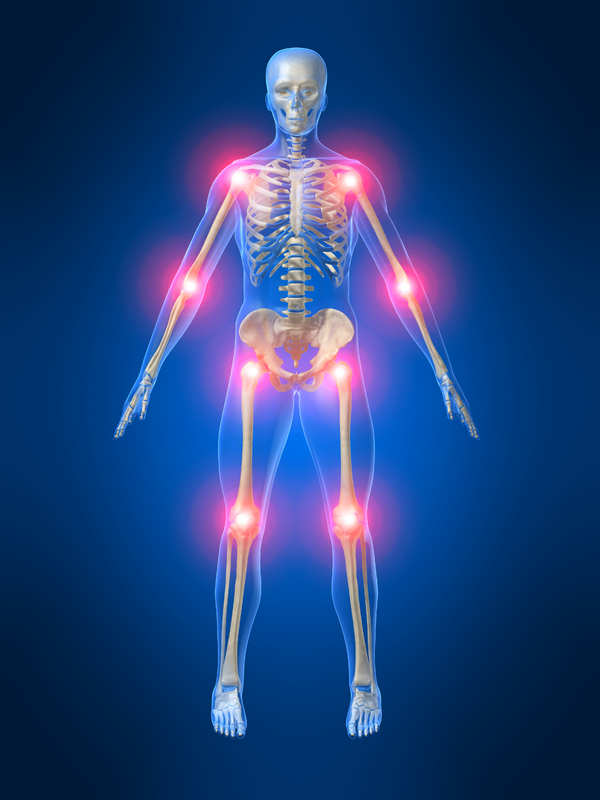
 Between aching muscles, tender skin, fatigue, headaches, flulike symptoms and difficulties concentrating, you may wonder if you’re a hypochondriac. You could have fibromyalgia. Start by asking your doctor these 15 questions about symptoms of fibromyalgia…
One day you have aching muscles, tender skin, fatigue, headaches, flulike symptoms and difficulties concentrating. The next day you feel great.
That’s one reason coping with fibromyalgia symptoms is such a challenge.
But a doctor-approved treatment plan — which may include exercise, psychotherapy, medication and natural remedies — can help.
Here are 15 important questions to ask about your symptoms of fibromyalgia and treatment:
1. Could there be another cause for my symptoms?
Before making a fibromyalgia diagnosis, doctors typically rule out other conditions that cause similar symptoms, such as thyroid disease, arthritis, lupus, infections and some medications (like those used to treat high cholesterol).
Unfortunately, there’s no objective measure — like an X-ray or a blood test — to decisively diagnose fibromyalgia.
2. What’s my long-term outlook?
Early diagnosis of the symptoms of fibromyalgia and treatment is the key to successfully managing symptoms of fibromyalgia, says Leslie Crofford, M.D., chief of rheumatology and director of the Center for the Advancement of Women’s Health at the University of Kentucky in Lexington.
“If you catch it early and develop a good self-management strategy, the condition doesn’t have to dominate your life,” she says.
3. What’s the first-line treatment for symptoms of fibromyalgia?
Your doctor may prescribe one of the following medications, which treat fibromyalgia in two different ways:
- Duloxetine (Cymbalta) and milnacipran (Savella) increase the amount of two neurotransmitters, serotonin and norepinephrine, in the brain. This reduces your sensitivity to pain.
- Pregabalin (Lyrica) blocks overactivity of nerve cells, which also reduces pain.
About half of those who try these drugs see modest improvement, Dr. Crofford says. Some patients respond better to medication than others.
“There may be other pathways involved in pain for which neither of these medications work well,” she says.
4. If these medications don’t help, what’s the next step?
IV Ketamine Infusion therapy has been shown to be very effective in treating Fibromyalgia
Your doctor may prescribe older medications “off-label.”
Although the Food and Drug Administration (FDA) hasn’t approved them for fibromyalgia, it allows physicians to prescribe such drugs to treat the condition.
These include amitriptyline (Elavil), cyclobenzaprine (Flexeril) and venlafaxine (Effexor), which increase neurotransmitters in the brain.
Also, antidepressants that affect only one neurotransmitter — such as fluoxetine (Prozac), paroxetine (Paxil) and sertraline (Zoloft) — are sometimes prescribed.
Another older drug, gabapentin (Neurontin), blocks overactivity of nerve cells.
5. Since many drugs used to treat fibromyalgia are antidepressants, is the disease psychological?
No. With fibromyalgia, the cause is a chemical change in the way the central nervous system (the brain and spinal cord) responds to pain, says Daniel Clauw, M.D., a rheumatology professor at the University of Michigan in Ann Arbor.
6. How do antidepressants ease my symptoms of fibromyalgia?
Some antidepressants have other effects too, Dr. Crofford says. The neurotransmitters they increase — serotonin and norepinephrine — also influence the way the brain responds to pain.
7. Are there medications to avoid?
People with fibromyalgia shouldn’t take opioids, including prescription pain medicines, such as Vicodin (acetaminophen and hydrocodone) and Oxycontin (oxycodone), she says.
“These medications actually contribute to the persistence of chronic pain,” she says. “They change the way your brain and spinal cord processes pain. When you stop them, there’s a rebound effect.”
This means your symptoms may actually worsen after you stop taking the drugs.
8. Will I need to make lifestyle changes?
Yes. Patients with the best results combine drug and non-drug therapies, Dr. Clauw says.
“You can’t just rely on pills,” Dr. Crofford adds.
For example, exercise is as important as medication. Inactivity disrupts the body’s natural rhythms and causes sleep problems, says Crofford. It actually leads to fatigue as well as deconditioning (muscle weakness), making daily activities more likely to cause injury and pain.
Overall, “staying in bed is one of the worst things you can do,” she says.
9. How can I exercise when it’s so hard to get up and move?
If your symptoms make exercise difficult, start off slowly, Dr. Crofford advises. Then begin to build endurance.
Find an activity you can do year-round.
If you’ve been inactive for a while, it can be as simple as taking the stairs instead of an elevator, Dr. Clauw says.
“If you haven’t had success in the past, try warm-water aerobics,” he suggests. This puts less stress on muscles and joints.
10. Is it possible to do too much?
Yes. Learn to pace your activities so you don’t overdo it on days you feel well, Dr. Crofford says. You’ll figure that out through trial and error.
11. How can I minimize a flare-up?
Think about what could have caused it. What was I doing the day before? Did I do too much? Or did I not move enough? Did something stressful happen?
Once you begin to see a pattern, avoid situations that cause you discomfort.But try not to dwell on it.
“With fibromyalgia, you may feel widespread pain followed by no symptoms at all,” Dr. Crofford says.
Focusing on symptoms always increases their severity.
Brooding about your condition can lead to depression too, she adds.
12. Other than exercise and medication, what else can reduce pain?
Don’t smoke. Exercise, get enough sleep, and eat a nutritious diet (including plenty of whole grains, fruits and vegetables).
These will keep your body strong and help you cope when symptoms of fibromyalgia flare, she advises.
Also, cognitive behavioral therapy (CBT) can teach you strategies to improve sleep, reduce stress and pace activities.
For basic, do-it-yourself CBT techniques, visit the Fibromyalgia Network website.
13. Will alternative therapies, such as massage, acupuncture, tai chi or yoga, help?
Some randomized trials show that yoga and tai chi help, Dr. Crofford says.
A 2010 study published in the New England Journal of Medicine studied 66 people with symptoms of fibromyalgia.
Half did stretching exercise, and the others practiced tai chi, which includes slow breathing, exercise and meditation — components thought to have physical, social and psychological effects.
The tai chi group showed significant improvement in their symptoms as well as sleep quality, mood and quality of life.
Although there’s no scientific evidence to back up other therapies like massage and acupuncture, some fibromyalgia sufferers claim they provide relief.
But you may actually have to try them before deciding if they work for you, Dr. Crofford adds.
14. What about supplements?
According to the National Center for Complementary and Alternative Medicine (NCCAM) it’s possible that low magnesium levels play a role in fibromyalgia, but there’s no conclusive evidence and more research is needed, Dr. Clauw says.
Still, he recommends magnesium to his patients because “it helps with the constipation associated with many fibromyalgia medications.”
15. How can I explain my disorder to friends and family?
“Bring your family to a doctor’s appointment,” Dr. Clauw says.
“The more educated they are, the better they can advocate for you.”
Symptoms of fibromyalgia are generally invisible to others, so “don’t get too caught up in trying to prove to people that you’re sick,” he advises.
Make sure family members are informed and supportive.
It will help when you need coaching.
“A fibromyalgia patient in the midst of a flare doesn’t want to exercise,” he says.
That’s when you need “gentle, nonjudgmental persuasion to get out of bed and go for a walk.”
By Ellen Wlody

by admin | Jun 24, 2015 | Uncategorized
Ease Rheumatoid Arthritis Pain with Meditation

When you have rheumatoid arthritis pain, meditation may be the last thing on your mind. But studies show that mindfulness exercises can help reduce stress and ease symptoms of rheumatoid arthritis.
Anyone who suffers from symptoms of rheumatoid arthritis knows that sometimes it’s hard to think about anything else. But learning to focus your mind with mindfulness training can help you deal with rheumatoid arthritis pain, new research has found.
“Mindfulness is the practice of bringing one’s full attention to the present moment,” says Steven Rosenzweig, M.D., clinical associate professor and director of the Medical Humanities Program at Drexel University College of Medicine in Philadelphia.
“People in pain often react automatically to [what’s going on],” he says. “You think I feel pain, and then the body tightens and you have a flurry of other thoughts like Pain is ruining my life.
Mindfulness allows you to notice this distress as it happens and to intentionally step back, shifting awareness to the body and adjusting it in a way that can bring ease.”
When Norwegian volunteers practiced mindfulness exercises, their stress and fatigue levels were significantly reduced, according to a 2011 study published in Annals of Rheumatic Diseases. The 73 patients, who had rheumatoid arthritis or other joint diseases, participated in 10 group mindfulness sessions over 15 weeks.
Other research has found mindfulness to be helpful against pain. In a 2009 study, Dr. Rosenzweig and colleagues at Drexel University taught mindfulness-based stress reduction exercises to 133 people with chronic pain conditions for eight weeks. The participants, especially those with arthritis, reported considerable improvement in pain and physical function. It was most effective when they also practiced the mindfulness exercises at home.In a 2008 study, 144 people with symptoms of rheumatoid arthritis were treated with mindfulness meditation, cognitive behavioral therapy (psychotherapy that addresses negative thoughts and behaviors), or wellness education. Although the therapy most effectively reduced pain, mindfulness meditation improved participants’ depression and joint tenderness levels. This was especially important, the researchers said, because depression and chronic stress are linked to inflammatory activity.
“One of the things we found was an increasing energy in people who are mindful,” says lead author Alex Zautra, Ph.D., Foundation Professor of Psychology at Arizona State University in Tempe. “Their zest for life was much greater, and they had more ability to put illness in its place and move forward. They stopped spending all their energy fighting the sensation of [rheumatoid arthritis pain].”
Mindfulness also reduced levels of cytokines, inflammatory molecules that increase pain in those with symptoms of rheumatoid arthritis.
“That suggests that mindfulness has a biological consequence,” Zautra says.
Women tend to be more receptive to mindfulness than men, he says, in part because men tend to think of it – inaccurately – as a passive process.
“Even though you’re [physically] still, you’re busy at the work of awareness,” he says.
Learning Mindfulness
The most effective way to learn mindfulness exercises is with group training, Zautra says.
He suggests finding classes through a local university or hospital – a growing number are offering mindfulness programs for people with chronic conditions such as rheumatoid arthritis pain.You can also learn mindfulness meditations with CDs that offer guided instruction, says Carolyn McManus, P.T., staff physician therapist and coordinator of the Mindfulness-Based Stress Reduction Program at the Swedish Medical Center in Seattle. One choice is Guided Mindfulness Meditation by Jon Kabat-Zinn, founding director of the Center for Mindfulness at the University of Massachusetts Medical School.
The Mindful Awareness Research Center at UCLA also offers free audio instructions and meditations online.
You can also try the following whenever you’re feeling stress or pain.
Just remember that regular practice is essential – Dr. Rosenzweig recommends spending 20-40 minutes per day on these exercises.
Exercise for rheumatoid arthritis pain #1: Breath awareness meditation
Focusing on the breath is an easy way to bring your mind to the present moment and interrupt the stress response, Dr. Rosenzweig says. It’s the first and most basic step of any mindfulness practice.
Do this meditation seated in a quiet place for 10 minutes or more. It’s also helpful on an informal basis any time you feel anxious.
When you’re sitting comfortably, simply close your eyes and become aware of your breathing. Experience each breath as it goes in and out. If you notice your mind wandering, gently push those thoughts away and return to your breathing awareness.
Let your stomach rise as you inhale and fall as you exhale, McManus says. “Breathe deeply. That calms the nervous system.”
People under stress – like those living with a chronic illness such as rheumatoid arthritis – tend to breathe shallowly, rapidly, or hold their breath, she explains.
Exercise for rheumatoid arthritis pain #2: Body-scan meditation
This is usually done lying down, Dr. Rosenzweig says. But you can also do it sitting up, especially if it tends to put you to sleep.
“Bring your attention to one part of your body at a time,” Dr. Rosenzweig says. “Begin with your left toes, and move in sequence to the top of your head.”
For each body part, “notice any sensation arising in the moment, like tingling, vibration, temperature, heaviness, lightness,” he says.
“By bringing more attention to your body from moment to moment, you can be more in touch with its needs,” he explains.
You’ll also learn to relax parts of the body, relieving muscle tension and calming the nervous system, Dr. Rosenzweig says – all of which may help reduce rheumatoid arthritis pain.
Exercise for rheumatoid arthritis pain #3: Emotional clarity practice
For this exercise, sit for 10 minutes and try to accept whatever emotions cross your mind.
“People are taught to cope with feelings by evading or denying them,” Zautra says. “Allow yourself to feel, even if it’s painful. Painful feelings only last when you fight them.”This exercise can help people with symptoms of rheumatoid arthritis by reducing the time and energy they spend fighting the condition, Zautra says.
“By stopping the fight, you increase your capacity for awareness of the rest of life.”
You won’t be at the mercy of pain if you learn to accept it as one of many feelings, not the sole feeling, he adds.
“By gaining emotional awareness – and pain is an emotion – you also learn emotional regulation.”
Exercise for rheumatoid arthritis pain #4: Mindful hand-washing
It may sound odd, but any activity can be an opportunity to practice being mindful – even washing your hands, McManus says.
“Let your mind rest in the present moment, with the feeling of warm water on your hands,” she says. “As you wash, notice your breathing and deliberately try to calm yourself.”
Like the others, this exercise allows you to calm your nervous system and relax from stressful tasks or worrying thoughts, she says. And that can reduce the inflammation that leads to rheumatoid arthritis pain.
“After a calming moment, you can go forward [with the rest of your day] more calmly,” McManus says.
Exercise for rheumatoid arthritis pain #5: Mindful walking
This has the benefit of combining mindfulness with low-impact exercise, both of which can help reduce symptoms of rheumatoid arthritis.
As you walk, focus on the experience, Dr. Rosenzweig says.
“Walk slowly, with full attention on the sensations of the body as they change step by step.”
Staying in touch with your body as you move triggers a healing response, Dr. Rosenzweig says. It can reduce inflammation and calm physical stress reactions such as rapid heart rate and elevated blood pressure.
Exercise for rheumatoid arthritis pain #6: Your healing story
Try this the next time someone upsets you, McManus suggests.
“Notice your breathing and reaction [to the situation],” she says. “Begin to breathe more deeply to calm the nervous system. See the situation as a ‘story,’ not necessarily a reality. Then reassess what a healing story would be.”
For example, you might say to yourself, “I’m doing the best I can and aspiring for happiness, and so is that other person. We’re just different.”
“By doing that, you access a different perspective – another way of talking to yourself – to tone down the distress,” McManus says.
Exercise for rheumatoid arthritis pain #7: Emotional openness
Part of mindfulness is becoming more open to a range of emotions, so you experience more than your symptoms of rheumatoid arthritis, Zautra says.
“The aim is to be able to say, ‘Regardless of how much pain I’m in, I can feel full [of emotion],’” he explains.
Zautra suggests thinking back to a positive experience, even one in childhood: “Let your mind settle on an occasion when you felt really good,” he says. “Give that moment time and attention. Remind yourself how you felt.”
When you focus on good feelings, bad ones are more tolerable, Zautra says.
Exercise for rheumatoid arthritis pain #8: Mindful listening
For 10 or more minutes, simply listen to the sounds around you – without trying to describe them.
“With formal mindful practices [like this one], you build the capacity to bring mindful awareness into your day from moment to moment,” Dr. Rosenzweig says. “You’re better able to shift your attention to your body and breath, to notice automatic thoughts, to relax parts of the body, adjust posture, deepen breath and then move into the next moment.”
When you experience symptoms of rheumatoid arthritis, this sense of calm perspective will help you deal with them, he says.
Exercise for rheumatoid arthritis pain #9: Thoughtful driving
Many people are “white-knuckled” drivers. And if you have symptoms of rheumatoid arthritis, road stress can exacerbate tight muscles and pain.
“When muscles contract, they create lactic acid, which irritates nerve endings,” McManus says.
She suggests taking a quick body survey as you drive: Are you holding your breath? Are your shoulders tight?
“Simply notice your reaction with kindness and curiosity,” she says. “Look how much suffering the tension is causing.”
Then, take a deep breath, let your shoulders relax and put on calm music instead of talk radio.
“Ask yourself, ‘Can I [drive] with ease and safety?’” McManus says. “Remind yourself that we’re all just trying to get home.”
Exercise for rheumatoid arthritis pain #10: Schedule fun stuff
This simple exercise will help you focus on pulling pleasant events into your life, rather than being overwhelmed by rheumatoid arthritis pain.
“Make a list of things you’d like to do, and pick 1-2 things to do each day or each week,” Zautra says. “Start small and work up to more. Life is more fulfilling if you direct your attention to what satisfies you.”
By Dorothy Foltz-Gray

by admin | Jun 24, 2015 | Uncategorized
Questions for Your Doctor: Headache

Are your headaches just a nuisance or a medical warning? And what remedies can ease the pain? Learn when to see a doctor and what to ask about the newest treatments…
Many headaches can be treated with over-the-counter painkillers. But if you’re debilitated by severe headaches or are popping painkillers for them three or more times a week, it’s time to visit your doctor.
You could have a simple tension headache, migraines or even a brain tumor, but only a physician can say for sure.
These 8 questions will get you on the road to recovery:
1. What over-the-counter medications should I take?
Why ask: All drugstore headache medications aren’t appropriate for every headache.
“It depends how severe and how frequent your headaches are,” says interventional pain physician Andrea Trescot, M.D., past president of the American Society of Interventional Pain Physicians (ASIPP).
Doctor’s Rx: “Someone with a day of headaches once a month should start with over-the-counter medications,” she says. “But someone who’s throwing up and goes to bed for three days needs a more effective medication only available by prescription.”For mild headaches, take over-the-counter medications such as aspirin, Excedrin [acetaminophen], Aleve [naproxen] or Motrin [ibuprofen], says Stephen D. Silberstein, M.D., director of the Jefferson Headache Center in Philadelphia.
If your headaches are stress-related, try nonmedical approaches first.
“Take a break and relax,” says Neil Martin, M.D., chairman of neurosurgery at UCLA’s David Geffen School of Medicine in Los Angeles. “Try relaxed breathing or meditation.”
2. How can I find out what’s causing my headaches?
Why ask: Because treatment depends on the type of headaches you’re having, Trescot says.
“A bucket of water for a little fire is plenty, but it does nothing for a big fire,” she says.
For example, a migraine may need a stronger and different treatment than a tension headache would.
The more clues you can provide about the source of your pain, the more accurate the doctor’s diagnosis. Doctor’s Rx: “Keep a headache diary,” Trescot says. She suggests writing answers to these questions:
- What time do they occur?
- How long do they last?
- How quickly do they come on?
- Do headaches wake you at night?
Also note the position of your computer monitor: Bright glare or poor eyesight can make you squint, which can compress nerves in the forehead and trigger headaches, she says.
“Sometimes a solution may be as simple as moving the monitor,” she adds.
3. How can I tell if my headache is dangerous?
Why ask: If you can recognize the warning signs of headaches that signal dangerous conditions, you can seek emergency treatment immediately.
Doctor’s Rx: “Ninety percent of headaches are benign,” Martin says.Translated, that means 10% signal a serious medical condition in your brain.
“But if you get a sudden, worst headache of your life, often on one side, that’s potentially a warning of something acute occurring in the brain, such as a hemorrhage from an aneurysm or a stroke,” he says. “Call 911.”
Your headache is life-threatening if the pain moves from zero to 10 in one second.
“If that’s accompanied by collapse or difficulty with speech, or paralysis, then it’s a red-hot medical emergency,” Martin says.
A headache that gets progressively worse each day or doesn’t resemble those you’ve had before may be a symptom of a brain tumor.
Though it’s not a medical emergency, see your doctor immediately.
4. Are my headaches just run-of-the-mill or migraines?
Why ask: Migraines may require more powerful and different treatment from usual headaches.You have to match treatment to the headache’s severity.
Doctor’s Rx: “If your headaches interfere with life, they are probably migraines,” Silberstein says. “They’re disabling – you don’t want to move.”
Three times more women than men get migraines. “Why is unknown, but it’s thought to be due to the fluctuating estrogen levels women have during childbearing years,” he says.
Click here for migraine treatment – Botox Injections
“When women are pregnant, headaches commonly go away due to sustained high estrogen levels,” he says. “When estrogen falls in postpartum,” they often return.
5. What should I do if I feel a migraine coming on?
Why ask: The sooner you get on top of pain, the easier it is to quell.“The most important thing is to know what works,” Silberstein says.
Doctor’s Rx: If noise and smell affect you, get away from the source. Lying down and placing cold compresses on your head may also help.
Among over-the-counter remedies, Excedrin Migraine, which has caffeine and aspirin, is the only one approved by the Food and Drug Administration (FDA) for migraines. Caffeine narrows blood vessels, which may help relieve a headache and boost the pain relievers’ effectiveness.
Your doctor may prescribe medications that have combinations of butalbital, aspirin and caffeine (such as Fiorinal), or butalbital, acetaminophen, and caffeine (Fioricet).
“Butalbital is a calming medicine,” Trescot says.
Others include a prescription nonsteroidal anti-inflammatory drug (NSAID) or diclofenac potassium (Cambia), which was approved by the FDA for migraines in 2010 and is taken dissolved in water. Another option: triptans, which come in tablets, injections or nasal sprays, and narrow the brain’s blood vessels.
Botox, a popular anti-aging therapy, was also approved in 2010 for people with chronic migraines – 15 or more days a month.
“If you have recurring tension headaches, [Botox injections near the temples] can relax the muscles,” Martin says.
6. What are side effects of headache medications?
Why ask: If you have side effects, let your doctor know; there may be other medications you can try that won’t have such effects.
Doctor’s Rx: Many headache medications – including drugstore remedies – have a drawback: Take them more than three days a week and you can get rebound headaches, says Silberstein.
Essentially they turn off the body’s pain-control system.
Also, NSAIDs like ibuprofen and naproxen can raise the risk of gastrointestinal distress and even bleeding.
Acetaminophen taken in large doses or with alcohol can lead to liver damage.
Most migraine medications, which clamp down on blood vessels, can diminish blood flow to your arms, legs, mouth and heart, causing tingling and even chest pain, Trescot says. “These shouldn’t be used in people with heart disease or a history or risk of stroke.”
Of course, side effects depend on which you’re taking and the dose, says Martin. “They range from nausea to dizziness to a stroke.”
7. If lifestyle changes and medication don’t work, what’s my next step?
Why ask: It’s important not to give up, Trescot says.
Doctor’s Rx: “You can [take] preventive medications … to calm the brain,” Silberstein says. These include amytriptaline, a tricyclic antidepressant; beta blockers, which are blood-pressure medications; and topiramate and depakote, seizure medications.
Another possibility: See an interventional pain doctor to discuss more invasive treatments, such as nerve blocks or radiofrequency lesioning, a procedure that involves heating the nerve causing the pain, which interrupts and lessens the ache in that area.
8. Are there any new, experimental treatments for the headaches I’m having?
Why ask: New treatments are always in the pipeline, and one might work better for you.
Doctor’s Rx: Researchers are looking at isolating, freezing and killing nerves outside the skull that cause chronic headaches, Trescot says.
Another promising treatment: placing electrodes under the skin at the base of the skull that can replace headache pain with a tingling sensation.
By Dorothy Foltz-Gray