by admin | Jun 24, 2015 | Uncategorized
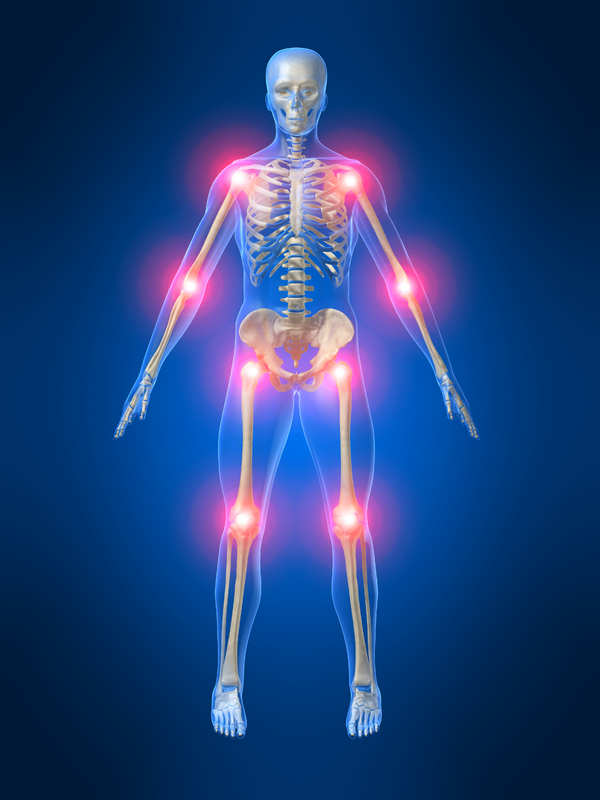
 Between aching muscles, tender skin, fatigue, headaches, flulike symptoms and difficulties concentrating, you may wonder if you’re a hypochondriac. You could have fibromyalgia. Start by asking your doctor these 15 questions about symptoms of fibromyalgia…
One day you have aching muscles, tender skin, fatigue, headaches, flulike symptoms and difficulties concentrating. The next day you feel great.
That’s one reason coping with fibromyalgia symptoms is such a challenge.
But a doctor-approved treatment plan — which may include exercise, psychotherapy, medication and natural remedies — can help.
Here are 15 important questions to ask about your symptoms of fibromyalgia and treatment:
1. Could there be another cause for my symptoms?
Before making a fibromyalgia diagnosis, doctors typically rule out other conditions that cause similar symptoms, such as thyroid disease, arthritis, lupus, infections and some medications (like those used to treat high cholesterol).
Unfortunately, there’s no objective measure — like an X-ray or a blood test — to decisively diagnose fibromyalgia.
2. What’s my long-term outlook?
Early diagnosis of the symptoms of fibromyalgia and treatment is the key to successfully managing symptoms of fibromyalgia, says Leslie Crofford, M.D., chief of rheumatology and director of the Center for the Advancement of Women’s Health at the University of Kentucky in Lexington.
“If you catch it early and develop a good self-management strategy, the condition doesn’t have to dominate your life,” she says.
3. What’s the first-line treatment for symptoms of fibromyalgia?
Your doctor may prescribe one of the following medications, which treat fibromyalgia in two different ways:
- Duloxetine (Cymbalta) and milnacipran (Savella) increase the amount of two neurotransmitters, serotonin and norepinephrine, in the brain. This reduces your sensitivity to pain.
- Pregabalin (Lyrica) blocks overactivity of nerve cells, which also reduces pain.
About half of those who try these drugs see modest improvement, Dr. Crofford says. Some patients respond better to medication than others.
“There may be other pathways involved in pain for which neither of these medications work well,” she says.
4. If these medications don’t help, what’s the next step?
IV Ketamine Infusion therapy has been shown to be very effective in treating Fibromyalgia
Your doctor may prescribe older medications “off-label.”
Although the Food and Drug Administration (FDA) hasn’t approved them for fibromyalgia, it allows physicians to prescribe such drugs to treat the condition.
These include amitriptyline (Elavil), cyclobenzaprine (Flexeril) and venlafaxine (Effexor), which increase neurotransmitters in the brain.
Also, antidepressants that affect only one neurotransmitter — such as fluoxetine (Prozac), paroxetine (Paxil) and sertraline (Zoloft) — are sometimes prescribed.
Another older drug, gabapentin (Neurontin), blocks overactivity of nerve cells.
5. Since many drugs used to treat fibromyalgia are antidepressants, is the disease psychological?
No. With fibromyalgia, the cause is a chemical change in the way the central nervous system (the brain and spinal cord) responds to pain, says Daniel Clauw, M.D., a rheumatology professor at the University of Michigan in Ann Arbor.
6. How do antidepressants ease my symptoms of fibromyalgia?
Some antidepressants have other effects too, Dr. Crofford says. The neurotransmitters they increase — serotonin and norepinephrine — also influence the way the brain responds to pain.
7. Are there medications to avoid?
People with fibromyalgia shouldn’t take opioids, including prescription pain medicines, such as Vicodin (acetaminophen and hydrocodone) and Oxycontin (oxycodone), she says.
“These medications actually contribute to the persistence of chronic pain,” she says. “They change the way your brain and spinal cord processes pain. When you stop them, there’s a rebound effect.”
This means your symptoms may actually worsen after you stop taking the drugs.
8. Will I need to make lifestyle changes?
Yes. Patients with the best results combine drug and non-drug therapies, Dr. Clauw says.
“You can’t just rely on pills,” Dr. Crofford adds.
For example, exercise is as important as medication. Inactivity disrupts the body’s natural rhythms and causes sleep problems, says Crofford. It actually leads to fatigue as well as deconditioning (muscle weakness), making daily activities more likely to cause injury and pain.
Overall, “staying in bed is one of the worst things you can do,” she says.
9. How can I exercise when it’s so hard to get up and move?
If your symptoms make exercise difficult, start off slowly, Dr. Crofford advises. Then begin to build endurance.
Find an activity you can do year-round.
If you’ve been inactive for a while, it can be as simple as taking the stairs instead of an elevator, Dr. Clauw says.
“If you haven’t had success in the past, try warm-water aerobics,” he suggests. This puts less stress on muscles and joints.
10. Is it possible to do too much?
Yes. Learn to pace your activities so you don’t overdo it on days you feel well, Dr. Crofford says. You’ll figure that out through trial and error.
11. How can I minimize a flare-up?
Think about what could have caused it. What was I doing the day before? Did I do too much? Or did I not move enough? Did something stressful happen?
Once you begin to see a pattern, avoid situations that cause you discomfort.But try not to dwell on it.
“With fibromyalgia, you may feel widespread pain followed by no symptoms at all,” Dr. Crofford says.
Focusing on symptoms always increases their severity.
Brooding about your condition can lead to depression too, she adds.
12. Other than exercise and medication, what else can reduce pain?
Don’t smoke. Exercise, get enough sleep, and eat a nutritious diet (including plenty of whole grains, fruits and vegetables).
These will keep your body strong and help you cope when symptoms of fibromyalgia flare, she advises.
Also, cognitive behavioral therapy (CBT) can teach you strategies to improve sleep, reduce stress and pace activities.
For basic, do-it-yourself CBT techniques, visit the Fibromyalgia Network website.
13. Will alternative therapies, such as massage, acupuncture, tai chi or yoga, help?
Some randomized trials show that yoga and tai chi help, Dr. Crofford says.
A 2010 study published in the New England Journal of Medicine studied 66 people with symptoms of fibromyalgia.
Half did stretching exercise, and the others practiced tai chi, which includes slow breathing, exercise and meditation — components thought to have physical, social and psychological effects.
The tai chi group showed significant improvement in their symptoms as well as sleep quality, mood and quality of life.
Although there’s no scientific evidence to back up other therapies like massage and acupuncture, some fibromyalgia sufferers claim they provide relief.
But you may actually have to try them before deciding if they work for you, Dr. Crofford adds.
14. What about supplements?
According to the National Center for Complementary and Alternative Medicine (NCCAM) it’s possible that low magnesium levels play a role in fibromyalgia, but there’s no conclusive evidence and more research is needed, Dr. Clauw says.
Still, he recommends magnesium to his patients because “it helps with the constipation associated with many fibromyalgia medications.”
15. How can I explain my disorder to friends and family?
“Bring your family to a doctor’s appointment,” Dr. Clauw says.
“The more educated they are, the better they can advocate for you.”
Symptoms of fibromyalgia are generally invisible to others, so “don’t get too caught up in trying to prove to people that you’re sick,” he advises.
Make sure family members are informed and supportive.
It will help when you need coaching.
“A fibromyalgia patient in the midst of a flare doesn’t want to exercise,” he says.
That’s when you need “gentle, nonjudgmental persuasion to get out of bed and go for a walk.”
By Ellen Wlody

by admin | Jun 22, 2015 | Uncategorized
Weekly Breaking Research Updates
Scientific breakthroughs happen every day! In an effort to help our patients stay up to speed on the most cutting edge treatment options available for them, our scientists monitor current research and publish weekly research updates. The title of each article below is a link to the full study report. If you’d like to make an appointment with Dr. Hanna to discuss your treatment options, please contact us.
Ketamine
Ketamine and Phencyclidine: the good, the bad and the unexpected
D Lodge, MS Mercier – British Journal of Pharmacology, 2015
ABSTRACT: The history of ketamine and phencyclidine from their development as potential
clinical anaesthetics, through drugs of abuse and animal models of schizophrenia to
potential rapidly acting antidepressants is reviewed. The discovery in 1983 of the NMDA …
Intra‐and postoperative low‐dose ketamine for adolescent idiopathic scoliosis surgery: a randomized controlled trial
R Minoshima, S Kosugi, D Nishimura, N Ihara, H Seki… – Acta Anaesthesiologica …, 2015
Background In this randomized controlled trial, we examined whether intra-and
postoperative infusion of low-dose ketamine decreased postoperative morphine
requirement and morphine-related adverse effects as nausea and vomiting after scoliosis …
Period Prevalence of Ketamine-Propofol Admixture “Ketofol” in the Operating Room among Anesthesia Providers at an Academic Medical Center
AN Olson, WR Rao, ME Marienau, NJ Smischney – Medical Science Monitor, 2015
BACKGROUND: The primary aim of this study was to determine the period prevalence of the
single-syringe ketamine-propofol admixture used for sedation and induction among
anesthesia providers during a 5-year period before and after educational sessions …
Electrochemiluminescence immunosensor for ketamine detection based on polyamidoamine-coated carbon dot film
Q Li, W Tang, Y Wang, J Di, J Yang, Y Wu – Journal of Solid State Electrochemistry, 2015
Abstract In this work, we reported the synthesis of water-soluble carbon dots (CDs) by a one-
step hydrothermal synthetic route using polyamidoamine (PAMAM) as platform and
passivant, where the formation of CDs capped with PAMAM and the surface passivation …
Letter to the editor: When what you see might not be what you get: prudent considerations of anesthetics for murine echocardiography
J Wu, J You, S Wang, Y Ye, X Wang, J Jia, Y Zou – American Journal of Physiology- …, 2015
… In their well- designed experiments, the authors compared four popular an- esthetic regimens
(ketamine-xylazine, ketamine alone, avertin, and isoflurane) used in mice during
echocardiographic mea- surement, with conscious state as a reference. …
Ketamine promotes inflammation through increasing TLR4 expression in RAW264. 7 cells
C Meng, Z Liu, G Liu, L Fu, M Zhang, Z Zhang, H Xia… – Journal of Huazhong …, 2015
Summery Ketamine (KTM), a N-methyl-D-aspartate (NMDA) receptor antagonist, was found
to has an anti-inflammatory effect, but some patients suffered from exacerbated pro-
inflammatory reactions after anesthesia with KTM. The present study was aimed to …
The effect of NMDA receptor antagonists and antidepressants on resting state in major depressive disorder
A Dutta – 2015
fMRI ; major depressive disorder ; resting state ; antidepressant ; lanicemine ; ketamine ; citalopram
; anterior cingulate cortex ; NMDA ; glutamate. … Ketamine and other NMDA antagonists have
improved MDD symptoms within 24 hours though the effects are short lasting. …
Assessing Measures of Suicidal Ideation in Clinical Trials with a Rapid-Acting Antidepressant
ED Ballard, DA Luckenbaugh, EM Richards, TL Walls… – Journal of Psychiatric …, 2015
… Received 22 April 2015, Revised 21 May 2015, Accepted 5 June 2015, Available online 16 June
2015. Highlights. • Clinical trials of ketamine and suicide will require appropriate measurement. •
We compared several suicide assessment measures in ketamine clinical trials. • …
d-Cycloserine
AR Durrant, U Heresco-Levy – Encyclopedia of Psychopharmacology, 2015
… of this concept became evident during the last decade when robust antidepressant effects
emerging within 2–4 h and lasting up to more than 2 weeks were obtained and replicated fol-
lowing intravenous administration of single sub-anesthetic doses of ketamine (Krystal et al. …
Depression: Response and Remission
SD Østergaard, GI Papakostas, M Fava – Encyclopedia of Psychopharmacology, 2015
… of this concept became evident during the last decade when robust antidepressant effects
emerging within 2–4 h and lasting up to more than 2 weeks were obtained and replicated fol-
lowing intravenous administration of single sub-anesthetic doses of ketamine (Krystal et al. …
Is pre-emptive administration of ketamine a significant adjunction to intravenous morphine analgesia for controlling postoperative pain? A randomized, double-blind, …
A Fiorelli, A Mazzella, B Passavanti, P Sansone… – … and Thoracic Surgery, 2015
OBJECTIVES To evaluate if the pre-emptive administration of ketamine would potentiate the
effect of intravenous morphine analgesia in the management of post-thoracotomy pain.
METHODS This was a unicentre, double-blind, placebo-controlled, parallel-group, …
Kappa-Opioid Agonists
E Opioid – 2015
… It is considered a precancerous condition. Ketamine … Synonyms Ketalar; Ketaset Definition
Ketamine is an FDA-approved medication for induction and maintenance of anesthesia
in adults. It is a phencyclidine derivative first synthetized in 1962. …
Investigation of the effects of stress on some liver enzymes (AST, ALT, ALP) in rats.
YG Gencer, A Çınar, B Comba – Atatürk Üniversitesi Veteriner Bilimleri Dergisi, 2015
… was applied intraperitoneally (ip) to the experimental group. After 3 h, blood samples
were collected from both groups under ketamine anaesthesia, using appropriate
techniques. The control group serum AST, ALT, ALP values …
Back to the Future: Are Tumor-Targeting Bacteria the Next-Generation Cancer Therapy?
RM Hoffman – Gene Therapy of Solid Cancers, 2015
… 7. Anesthetic reagents (ketamine, xylazine, acepromazine maleate). 8. Kanamycin. 9. Nair. 10. …
1. Four-week-old female mice were anesthetized by a ketamine mixture (10 μl ketamine HCL,
7.6 μl xylazine, 2.4 μl acepromazine maleate, and 10 μl H 2 O) via sc injection. …
[PDF] The Protective Effect of Melatonin vs. Vitamin E in the Ischemic/Reperfused Skeletal Muscle in the Adult Male Rat Model
EA Mohamed – J Cytol Histol S, 2015
… All surgical procedures were performed under anesthesia with IP injection of
Ketamine hydrochloride (Ketame, Egyptian Int. Co. … After 2 hours of reperfusion, the
rats were sacrificed by Ketamine hydrochloride (100 mg/kg) [10]. …
[PDF] CORM2 protects from myocardial ischemia reperfusion injury via modulation of the inflammatory response and apoptosis
NR Hadi, FG Al-Amran, KA Muhsin, A Taher – Journal of Advanced Pharmacy …, 2015
… 2% vials (RompunTM, Bayer AG, Leverkusen, Germany), ketamine (Hikma, Jordan), ethanol
(Fluka, Switzerland) and normal saline (KSA). Rat (IL-1β), (IL- … Surgical LAD ligation The rats were
anesthetized by intraperitoneal injection with a mixture of ketamine and xylazine in a …
[HTML] Long-term correlation of the electrocorticogram as a bioindicator of brain exposure to ionizing radiation
LAA Aguiar, IMS Silva, TS Fernandes, RA Nogueira – Brazilian Journal of Medical and …, 2015
… The irradiation was carried out with the animals anesthetized with 10 mg/kg xylazine and 75
mg/kg ketamine administered intraperitoneally. … To record the ECoG, animals were anesthetized
with 10 mg/kg xylazine and 75 mg/kg ketamine administered intraperitoneally. …
[HTML] The Anti-Tumor Effects of Adipose Tissue Mesenchymal Stem Cell Transduced with HSV-Tk Gene on U-87-Driven Brain Tumor
SM de Melo, S Bittencourt, EG Ferrazoli, CS da Silva… – PLOS ONE, 2015
… The animals were anesthetized via the ip injection of a ketamine (100 mg/kg) and xylazine
(10 mg/kg) solution (Syntec, 1356009 and 1720407) and fastened to a stereotaxic
instrument (David Kopf) equipped with a mouse adapter (Enlaup). …
[HTML] Intrarectal Lidocaine-Diltiazem-Meperidine Gel for Transrectal Ultrasound Guided Prostate Biopsy
F Imani, Y Moghaddam, RS Moharari, F Etezadi… – Anesthesiology and Pain …, 2015
… 4, 6) or bupivacaine as a single agent (7). These latter studies have suggested that rectal
administration of lidocaine gel is a safe, simple modality, without any discomfort for patients (8).
Not only local anesthetic agents but also intravenous anesthetic drugs (ketamine) (9) or …
[PDF] Alcohol Withdrawal Syndrome: Improving Outcomes Through Early Identification And Aggressive Treatment Strategies
AF Pizon – 2015
Page 1. June 2015 Volume 17, Number 6 Authors Joseph H. Yanta, MD Medical
Toxicology Fellow, Division of Medical Toxicology, Dept. of Emer- gency Medicine,
University of Pittsburgh Medical Center, Pittsburgh, PA Greg …
Radiofrequency Ablation (RFA)
Use of Contact Force Sensing Technology During Radiofrequency Ablation Reduces Recurrence of Atrial Fibrillation: A Systematic Review and Meta-Analysis
MR Afzal, J Chatta, A Samanta, S Waheed… – Heart Rhythm, 2015
ScienceDirect is phasing out support for older versions of Internet Explorer on Jan 12, 2016.
For the best product experience, we recommend you upgrade to a newer version of IE or
use a different browser: Firefox or Chrome. For additional information please see the …
Comparison of Surgical Resection and Radiofrequency Ablation for Hepatocellular Carcinoma: Take Care Not to Neglect Radiofrequency Technic and Device.
A Hocquelet, M Montaudon, P Balageas, N Frulio… – Annals of Surgery, 2015
Wolters Kluwer Health may email you for journal alerts and information, but is committed to maintaining
your privacy and will not share your personal information without your express consent. For more
information, please refer to our Privacy Policy. … Skip Navigation Links Home > …
Effect of different ablation settings on acute complications using the novel irrigated multipolar radiofrequency ablation catheter (nMARQ)
T Deneke, P Müller, P Halbfaß, A Szöllösi, M Roos… – Journal of Cardiovascular …, 2015
Background: Single-shot ablation devices for pulmonary vein isolation (PVI) in patients with
symptomatic atrial fibrillation (AF) have been increasingly used in clinical practice. Objective:
A novel mapping-system integrated irrigated multipolar circular ablation catheter (nMARQ) …
Long-Term Effects of Ganglionated Plexi Ablation on Electrophysiological Characteristics and Neuron Remodeling in Target Atrial Tissues in a Canine Model
X Wang, M Zhang, Y Zhang, X Xie, W Wang, Z Li… – Circulation: Arrhythmia and …, 2015
… Long-Term Effects of Ganglionated Plexi Ablation on Electrophysiological Characteristics and
Neuron Remodeling in Target Atrial Tissues in a Canine Model. … Atrial electrophysiological
characteristics were examined before ablation, immediately and continuously after ablation. …
… to Letter From Bisbal et al Regarding,“Repeat Left Atrial Catheter Ablation: Cardiac Magnetic Resonance Prediction of Endocardial Voltage and Gaps in Ablation …
JL Harrison, C Sohns, NW Linton, R Karim, SE Williams… – Circulation: Arrhythmia and …, 2015
… Tolosana JM,; Arbelo E,; de Caralt TM,; Perea RJ,; Brugada J,; Mont L. CMR-guided
approach to localize and ablate gaps in repeat AF ablation procedure. JACC Cardiovasc
Imaging . 2014;7:653–663. doi: 10.1016/j.jcmg.2014.01.014. …
Pulmonary vein stenosis after pulmonary vein isolation using duty-cycled unipolar/bipolar radiofrequency ablation guided by intracardiac echocardiography
S Asbach, F Schluermann, L Trolese, M Langer… – Journal of Interventional …, 2015
Purpose Concerning rates of pulmonary vein (PV) stenosis were reported following PV
isolation (PVI) with a circular pulmonary vein ablation catheter (PVAC). As this may depend
on intraprocedural imaging, we evaluated the incidence of PV stenosis in patients …
Atrioventricular Block During Slow Pathway Ablation Entirely Preventable?
H Chen, M Shehata, W Ma, J Xu, J Cao, E Cingolani… – Circulation: Arrhythmia and …, 2015
… In a small percentage of cases of AVNRT, it may be necessary to ablate within the CS
with larger atrial potentials, however, ablation at the roof of the proximal CS carries
a high risk of AV nodal block during radiofrequency application. …
Is There Still a Role for CFAE Ablation in Addition to Pulmonary Vein Isolation in Patients with Paroxysmal and Persistent Atrial Fibrillation? A Meta-Analysis of 1,415 …
R Providência, PD Lambiase, N Srinivasan, GG Babu… – Circulation: Arrhythmia and …, 2015
… Is There Still a Role for CFAE Ablation in Addition to Pulmonary Vein Isolation in Patients with
Paroxysmal and Persistent Atrial Fibrillation? … We aimed to assess the impact of CFAE ablation
in addition to pulmonary vein isolation (PVI) in patients undergoing ablation for AF. …
Real-Time Contact Force Measurement A Key Parameter for Controlling Lesion Creation With Radiofrequency Energy
DC Shah, M Namdar – Circulation: Arrhythmia and Electrophysiology, 2015
… Low CF values are also advisable in the vicinity of already ablated sites, where the … for the
acquisition of reliable mapping information and achievement of stable ablation lesions … 183 gs)
as area under curve (red hatched zone) during short duration of radiofrequency (RF) energy …
Atrioventricular Nodal Block With Atrioventricular Nodal Reentrant Tachycardia Ablation
SJ Asirvatham, WG Stevenson – Circulation: Arrhythmia and Electrophysiology, 2015
… a relatively slow stable, junctional rhythm with consistent stable retrograde atrial conduction during
radiofrequency application. … of energy delivery, junctional rhythm may not be seen despite adequate
slow pathway ablation, and the operator may be inclined to ablate at more …
[HTML] Near-infrared spectroscopy integrated catheter for characterization of myocardial tissues: preliminary demonstrations to radiofrequency ablation therapy for atrial …
RP Singh-Moon, CC Marboe, CP Hendon – Biomedical Optics Express, 2015
Abstract Effects of radiofrequency ablation (RFA) treatment of atrial fibrillation can be limited
by the ability to characterize the tissue in contact. Parameters obtained by conventional
catheters, such as impedance and temperature can be insufficient in providing …
A Phase 2, Open-Label, Randomized Study of Pexa-Vec (JX-594) Administered by Intratumoral Injection in Patients with Unresectable Primary Hepatocellular …
CJ Breitbach, A Moon, J Burke, TH Hwang, DH Kirn – Gene Therapy of Solid Cancers, 2015
… Download Protocol (725 KB). Abstract. Primary liver cancer (hepatocellular carcinoma; HCC)
in patients not eligible for surgery or transplant is currently treated by locoregional therapeutic
approaches, including trans-arterial chemoembolization and radiofrequency ablation. …
[PDF] Feasibility and efficacy of helical tomotherapy in cirrhotic patients with unresectable hepatocellular carcinoma
CM Huang, MY Huang, JY Tang, SC Chen, LY Wang… – World Journal of Surgical …, 2015
… Several other treatment modalities for patients with unresectable HCC, including percutaneous
ethanol injection (PEI), radiofrequency ablation (RFA), and transcatheter arterial
chemoembolization (TACE), seem to be more effective in smaller tumors and are contraindicated …
The Wolf-Parkinson-White ECG Pattern-Assessing the Mortality Risk
E Posan – Journal of Insurance Medicine, 2015
… 32. MANAGEMENT. Radiofrequency Ablation Therapy … With pacing maneuvers, the accessory
pathway properties are defined, potential tachycardias are induced, accurate mapping (localization)
of the accessory pathway is achieved and radiofrequency ablation is employed. …
[HTML] Congenital (in growing) osteoma skull in 20-day-old neonate
PG Devi, TS Venkatachalam, YV Sharma, MP Kumar – CHRISMED Journal of …, 2015
… 6. 7. Virayavanich W, Singh R, O’Donnell RJ, Horvai AE, Goldsby RE, Link TM. Osteoid osteoma
of the femur in a 7-month-old infant treated with radiofrequency ablation. Skeletal Radiol
2010;39:1145-9. Back to cited text no. 7. 8. McHugh JB, Mukherji SK, Lucas DR. …
[PDF] Simulating and Optimizing the Response of a Sine Wave Finite state Machine with Timestamp Simulation Using Simulink
M Kalpna, MA Varma – International Journal of Research, 2015
… [5.] Dagmara M. Dołęga, Jerzy Barglik, (2012) “Computer modeling and simulation of
radiofrequency thermal ablation“, COMPEL – The international journal for computation and
mathematics in electrical and electronic engineering, Vol. 31 Iss: 4, pp.1087 – 1095 …
[PDF] Coexistence of permanent junctional reciprocating tachycardia with rheumatic valvular disease; a case sucessfully treated with radiofrequency ablation
M Aydın, A Yıldız, M Yüksel, Y İslamoğlu
Abstract A seventeen years old female had presented with palpitation. On the
electrocardiography (ECG), long RP, narrow QRS tachycardia, inverted P waves in leads
D2, D3 and aVF were noticed. On transthoracic echocardiography, rheumatic mitral …
[PDF] Macrophage Inflammatory Protein Derivative ECI301
T Radiotherapy
… inhibition by ECI301 was not attributable to radiation alone but also shown to other factors such
as the heat generated from high-frequency alter- nating current, namely radiofrequency ablation
(RFA; ref. … 5B), significant differences were ablated by the anti- HMGB1 antibody. …
[PDF] Regenerative Injection Treatment in the Spine: Review and Case Series with Platelet Rich Plasma. J Stem Cells Res
D Aufiero, H Vincent, S Sampson, M Bodor – Rev & Rep, 2015
… back or neck pain refractory to physical therapy, trigger point injections, medial branch blocks,
or radio- frequency ablation. … There is scarce evidence supporting less commonly performed
non-surgical treatments for lumbar radiculopathy including pulsed radiofrequency to the …
[HTML] Modern medicine-morcellation
SC Olmstead
… abandoned as a surgical procedure? What about noninvasive treatment options that
leave the presumed fibroid inside the body, such as uterine artery embolization,
MRI-guided focused ultrasound, and radiofrequency ablation? …
Chronic Regional Pain Syndrome (CRPS/RSD)
What outcome measures are commonly used for Complex Regional Pain Syndrome clinical trials? A systematic review of the literature
S Grieve, L Jones, N Walsh, C McCabe – European Journal of Pain, 2015
… Background and objective. Complex Regional Pain Syndrome (CRPS) is a chronic pain condition,
often triggered by trauma to a limb and characterized by sensory, motor, autonomic and trophic
changes within the affected limb. … 2.4 Classification of CRPS clinical trials. …
[PDF] MIRROR THERAPY: A REVIEW OF EVIDENCES
A Najiha, J Alagesan, VJ Rathod, P Paranthaman – Int J Physiother Res, 2015
… Three particular conditions that have been studied the most are stroke, CRPS and phantom
limb pain. … MT was used in conditions like stroke, cerebral palsy (CP), complex regional pain
syndrome (CRPS), phantom limb pain (PL) and fracture rehabilitation. …
Physical Therapy Treatment for Patients Diagnosed with Complex Regional Pain Syndrome
J Connole – 2015
… Abstract. This case study and evidence-based research analyzes the effects of physical
therapy interventions on a patient diagnosed with type 1 complex regional pain
syndrome (CRPS) to determine the most beneficial treatments. …
Hybrid short-term freeway speed prediction methods based on periodic analysis
Y Zou, X Hua, Y Zhang, Y Wang – Canadian Journal of Civil Engineering, 2015
Page 1. Hybrid short-term freeway speed prediction methods based on periodic
analysis By Yajie Zou, Ph.D. Research associate 133B More Hall, Box 352700
Department of Civil and Environmental Engineering University of …
[HTML] Japanese MD Develops Nutritional Protocols for Gardasil/Cervarix HPV Vaccine Injury
LC Botha – 2015
… subacute sclerosing panencephalitis; CRPS: Complex regional pain syndrome; POTS:
Postural orthostatic tachycardia syndrome; Anti-phospholipid antibody syndrome;
SLE: systemic lupus erythematosus; Rheumatoid arthritis; …
The social behavior of children adopted from Russian Federation: a controlled study
C Caprin, L Ballarin, L Benedan, A Castelli – Psicologia clinica dello sviluppo, 2015
… Nonostante nella ricerca si sia utilizzata la forma estesa per genitori dello strumento
(CRPS-R:L; Conners, validazione Italiana a cura di Nobile, Alberti e Zuddas, 2007), composta
da 80 item (valori di a com- presi fra 0.57 e 0.91 per i maschi e 0.58 e 0.89 per le femmine), in …
A Review of the Use of Stellate Ganglion Block in the Treatment of PTSD
E Lipov, EC Ritchie – Current Psychiatry Reports, 2015
… 14. Lipov EG, Joshi JR, et al. A unifying theory linking the prolonged efficacy of the stellate
ganglion block for the treatment of chronic regional pain syndrome (CRPS), hot flashes,
and posttraumatic stress disorder (PTSD). Med Hypotheses. …
Addiction Recovery in Services and Policy: An International Overview
A Laudet, D Best – Textbook of Addiction Treatment: International …, 2015
… model is growing in popularity nationwide: in the past decade, growing concerns about substance
use on campus and federal agencies’ focus on building a community-based continuum of care
system for youths have fueled a fivefold increase in the number of CRPs, from four …
[HTML] Related Products
R Frank
… 43. Canalith Repositioning Procedures. The recommended treatment for BPPV is a canalith
repositioning procedure (CRP). There are several CRPs described in the literature; the most
studied and used in the United States was first described by Epley in 1992. …
Central habituation and distraction alter C‐fibre‐mediated laser‐evoked potential amplitudes
P Hüllemann, YQ Shao, G Manthey, A Binder, R Baron – European Journal of Pain, 2015
Skip to Main Content. Wiley Online Library. Log in / Register. Log In E-Mail
Address Password Forgotten Password? Remember Me. …
Nuclear Medicine Imaging of Sport Injuries of the Wrist, Hand and Fingers
M Sathekge, FE Suleman, MD Velleman, R Clauss – Nuclear Medicine and …, 2015
… Abductor pollicis longus. CRPS: Chronic regional pain syndrome. … 1997 ). 24.7 Complex Regional
Pain Syndrome (Reflex Sympathetic Dystrophy, Sudeck’s Dystrophy). Complex regional pain
syndrome (CRPS) is one of the most challenging chronic pain conditions of the limbs. …
The Child with a Painful Limp
J Robb – Paediatric Orthopaedic Diagnosis, 2015
… There may be symptoms of psychological distress and further specialist evaluation may
reveal an underlying cause. Complex Regional Pain Syndrome (CRPS). Children with
CRPS type 1 affecting the lower limb often limp (Wilder et al. 1992 ). …
Complex regional pain syndrome type I. An analysis of 7 cases in children
VP Stalla, CM Olaso, VK Almada, GG Rabelino – Neurología (English Edition), 2015
Complex regional pain syndrome (CRPS) is characterised by the presence of pain accompanied
by sensory, autonomic and motor symptoms, usually preceded by a lesio. …
Vitamin C, Extremity Trauma and Surgery
N Shibuya, MR Agarwal, DC Jupiter – 2015
… 987 Abstract Complex regional pain syndrome (CRPS) is a devastating condition often seen
after extrem- ity injury and surgery. … Efficacy and safety of vitamin C used to prevent CRPS are
discussed. List of Abbreviations CRPS Complex regional pain syndrome Introduction …
Psychological Factors as Outcome Predictors for Spinal Cord Stimulation
T Bendinger, N Plunkett, D Poole, D Turnbull – Neuromodulation: Technology at the …, 2015
… SCS trials were offered for the following indications: failed back surgery syndrome (FBSS),
refractory radiculopathy or peripheral neuropathy, complex regional pain syndrome (CRPS),
and refractory angina (at the beginning of observed period—since 2008, this indication is not …
[PDF] The Role of Transitional Justice and Access to Justice in Conflict Resolution and Democratic Advancement
MF Moscati – 2015
… year mandate. The Community Reconciliation Processes (CRPs) of Timor-Leste were created
with the specific aim of dealing with disputes between … perpetrators into their communities. The
possibility of recourse to CRPs was established by the United Nations Transitional …
Complex Regional Pain Syndrome in Children: a Multidisciplinary Approach and Invasive Techniques for the Management of Nonresponders
MJ Rodriguez‐Lopez, M Fernandez‐Baena, A Barroso… – Pain Practice, 2015
… Complex regional pain syndrome (CRPS) is multifactorial condition with complex
pathogenesis characterized by spontaneous or stimulus-induced pain that is
disproportionate to the inciting event. It is also commonly accompanied …
Analgesic response to intravenous ketamine is linked to a circulating microRNA signature in female complex regional pain syndrome patients
SR Douglas, BB Shenoda, RA Qureshi, A Sacan… – The Journal of Pain, 2015
Although ketamine is beneficial in treating complex regional pain syndrome (CRPS), a subset
of patients respond poorly to therapy. We investigated treatment-ind. … Highlights. • We studied
ketamine treatment induced miRNA alterations in blood from CRPS patients. • …
Peptide signalling during the pollen tube journey and double fertilization
LJ Qu, L Li, Z Lan, T Dresselhaus – Journal of Experimental Botany, 2015
… In general, plant peptides can be categorized into two classes: secreted peptides and
non-secreted peptides. Secreted peptides can be further divided into two major classes:
cysteine-rich peptides (CRPs) and non-CRPs (NCRPs). … CRPs are significantly larger peptides. …
[HTML] Overexpression of the Arabidopsis thaliana signalling peptide TAXIMIN1 affects lateral organ development
J Colling, T Tohge, R De Clercq, G Brunoud, T Vernoux… – Journal of Experimental …, 2015
… Two distinct classes of secreted peptides can be distinguished in plants: small post-translationally
modified peptides such as the CLAVATA3/ENDOSPERM SURROUNDING REGION (CLE) family,
and cysteine-rich peptides (CRPs), exemplified by the EPIDERMAL …
METHODS OF MODULATING DRUG PLASMA LEVELS USING ERYTHROHYDROXYBUPROPION
H Tabuteau – US Patent 20,150,157,582, 2015
… In some embodiments, a combination of dextromethorphan and an antidepressant, such as
bupropion, may be administered to relieve complex regional pain syndrome, such as complex
regional pain syndrome type I (CRPS-I), complex regional pain syndrome type 11 (CRPS-II …
METHODS FOR THE SAFE ADMINISTRATION OF IMIDAZOLE OR IMIDAZOLIUM COMPOUNDS
H Tabuteau – US Patent 20,150,157,564, 2015
… embodiments, an osteoclast inhibitor, such as a nitrogen-containing bisphosphonate, eg
zoledronic acid, ibandronic acid or minodronic acid, may be administered to relieve complex
regional pain syndrome, such as complex regional pain syndrome type I (CRPS-I), complex …
Fibromyalgia
The Use of Polysymptomatic Distress Categories in the Evaluation of Fibromyalgia (FM) and FM Severity
F Wolfe, BT Walitt, JJ Rasker, RS Katz, W Häuser – The Journal of Rheumatology, 2015
Objective The polysymptomatic distress (PSD) scale is derived from variables used in the
2010 American College of Rheumatology (ACR) fibromyalgia (FM) criteria modified for
survey and clinical research. The scale is useful in measuring the effect of PSD over the …
Association of different levels of depressive symptoms with symptomatology, overall disease severity, and quality of life in women with fibromyalgia
A Soriano-Maldonado, K Amris, FB Ortega… – Quality of Life Research, 2015
Purpose This study examined the associations of different levels of depression with pain,
sleep quality, fatigue, functional exercise capacity, overall fibromyalgia (FM) severity, and
health-related quality of life (HRQoL) in women with FM. Methods A total of 451 women …
Fibromyalgia: Clinical Guidelines and Treatments
E Lawson, M Wallace – 2015
Major Classes of Medication for Treatment of Fibromyalgia
AM Kelly, K Mauer – Fibromyalgia: Clinical Guidelines and Treatments, 2015
Implications of proposed fibromyalgia criteria across other functional pain syndromes
N Egloff, R von Känel, V Müller, UT Egle… – Scandinavian Journal of …, 2015
Objectives: In 2010, the American College of Rheumatology (ACR) proposed new criteria for
the diagnosis of fibromyalgia (FM) in the context of objections to components of the criteria of
1990. The new criteria consider the Widespread Pain Index (WPI) and the Symptom …
Omar I. Halawa and David A. Edwards
DA Edwards – Fibromyalgia: Clinical Guidelines and Treatments, 2015
Psychophysiological Methods
RH McAllister-Williams – Encyclopedia of Psychopharmacology, 2015
… potential. Tramadol reduces pain substantially in osteoarthritis and fibromyalgia
(Bennett et al. 2003). Methadone … below). There is evidence of a mild degree of benefit
in low back pain, fibromyalgia, and headaches. Anticonvulsant …
PTSD and Fibromyalgia Syndrome: Focus on Prevalence, Mechanisms, and Impact
W Häusera, J Ablinb, B Walittc – 2015
Abstract The association between fibromyalgia syndrome (FMS) and posttraumatic stress
disorder (PTSD) is of growing interest in psychosocial research. The mechanisms by which
both disorders are interconnected are not well understood. The article presents an …
Conditioned Pain Modulation: Neurophysiological, Cognitive, And Pharmacological Aspects
RR Nir, D Yarnitsky – Topics in Pain Management, 2015
… The relevance of modulatory pain mechanisms in the clinical arena is represented through
cumulative research reporting impaired pain inhibition associated with pain disorders, particularly
fibromyalgia, irritable bowel syndrome, migraine, tension-type headache …
Ryan D. McConn and Magdalena Anitescu
RD McConn – Fibromyalgia: Clinical Guidelines and Treatments, 2015
[HTML] Another dimension of pain
TH Khan – Anaesth Pain & Intensive Care, 2015
… Pain Manag Nurs. 2013 Dec;14(4):368-78. [PubMed] doi: 10.1016/j.pmn.2011.08.001. Menzies
V, Taylor AG, Bourguignon C. Effects of guided imagery on outcomes of pain, functional status,
and self-efficacy in persons diagnosed with fibromyalgia. J Altern Complement Med. …
[HTML] Pattern of irritable bowel syndrome and its impact on quality of life: A tertiary hospital based study from Kolkata on newly diagnosed patients of irritable bowel …
U Sinharoy, K Sinharoy, P Mukhopadhyay… – CHRISMED Journal of …, 2015
… [6],[7],[8],[9] IBS can coexist with other functional disorders, most notably fibromyalgia, chronic
fatigue syndrome … 10. 11. Aaron LA, Burke MM, Buchwald D. Overlapping conditions among
patients with chronic fatigue syndrome, fibromyalgia, and temporomandibular disorder. …
[PDF] Disability Status, Disability Type, and Training as Predictors of Job Placement
J Stahl – 2015
… Deafness Hearing, Communicating Deafness Neurological Memory, Speaking TBI, Multiple
Sclerosis, Fibromyalgia Developmental Reading, Writing, Speaking Autism, Williams Syndrome …
Mental Neurological Memory, Speaking TBI, Multiple Sclerosis, Fibromyalgia …
[HTML] Pilates for Fibromyalgia
DPT Tom Lavosky, C MDT
By Gabrielle Shirer As originally seen in the Fall 2006 edition of the Pilates Coreterly
According to the National Fibromyalgia Association, Fibromyalgia Syndrome (FMS) is an
increasingly recognized chronic pain illness characterized by widespread …
New study by guidelines author dismisses risk of chronic Lyme disease
D Cameron
… In addition, these patients were not more prone to developing fibromyalgia and/or chronic fatigue,
according to two additional papers by Dr. Wormser. … [1]. And previous studies report there’s a
high risk of developing fibromyalgia after having Lyme disease. …
[HTML] Evolution of Skin Temperature after the Application of Compressive Forces on Tendon, Muscle and Myofascial Trigger Point
MF Magalhães, AV Dibai-Filho, EC de Oliveira Guirro… – PLOS ONE, 2015
… of musculoskeletal, tendon or nervous injuries in the upper limb, history of fracture in the upper
limb, use of painkillers, anti-inflammatory drugs or muscle relaxants during the previous week,
presence of systemic or neuromuscular diseases, and medical diagnosis of fibromyalgia …
[HTML] Rejuvenate With Stem Cells
R Schilling – 2015
… literature. This combination (laser activated, intravenous mesenchymal injection) has
the potential for being useful for a multitude of chronic illnesses like fibromyalgia,
MS, generalized arthritis, just to mention a few. Mesenchymal …
[PDF] Regenerative Injection Treatment in the Spine: Review and Case Series with Platelet Rich Plasma. J Stem Cells Res
D Aufiero, H Vincent, S Sampson, M Bodor – Rev & Rep, 2015
… Positive results for Prolotherapy have been published for a variety of conditions including lateral
epicondylosis [21], osteoarthritis [22], sacroiliac joint pain [23], chondromalacia patellae [24],
fibromyalgia [25], chronic groin pain [26] and Osgood-Schlatter disease [27]. …
[PDF] APPROVAL SHEET
M Holman – 2015
… Page 14. Effect of US and Graston on Muscle Contraction 11 plantar fasciitis,
patellofemoral disorders, fibromyalgia, scar tissue, and trigger finger. 13 The Graston
Technique allows for controlled application of friction massage to the …
[HTML] Blueg rass Doctors of Physical Therapy, PLLC Physical Therapy Care Provider in the Louisville, Kentucky We provide EXPERT CARE for YOUR Health!
N Patient, C Forms
… There are many symptoms that can lead the person with fibromyalgia syndrome (FMS)
and/or chronic myofascial pain (CMP) to your office. … Research indicates that fibromyalgia
may increase the risk of cardiovascular disease (Curtis, O’Keefe Jr 2002). …

by admin | Jun 9, 2015 | Uncategorized
Ketamine: Reinventing Chronic Pain Management

Author: Jeannette Y. Wick, RPh, MBA, FASCP
For patients who respond poorly or incompletely to opioids, ketamine may be the answer. In the middle of the past century, phencyclidine hydrochloride—called PCP or angel dust on the street—was developed to be a safe, effective anesthetic that did not cause cardiovascular and respiratory depression. However, its propensity to cause convulsions at high doses and long-lasting psychoactive side effects during emergence from anesthesia destroyed its potential.
Ketamine—a PCP derivative—was synthesized in 1963 and was tested on 20 prison volunteers in 1965. One-tenth as potent as PCP, ketamine was intended to induce anesthesia like PCP, but with greater specificity and fewer side effects.
.1 The FDA approved it in 1970, and its widespread use in the Vietnam conflict theater catapulted its popularity
.2 Today, ketamine is used less and less in the operating suite
.3 Although ketamine’s psychomimetic side effects are milder than those of PCP, they can be problematic (Table 12-10).

Recreational abuse has dogged ketamine since its approval. Abusers have injected, inhaled, and smoked ketamine, revealing characteristics of the drug that would otherwise remain unknown. Researchers hypothesize that abusers may develop tolerance because ketamine induces liver enzymes.11 Abusers rarely experience withdrawal, instead reporting a sensation called the K-hole—a constellation of visual hallucinations, dissociation, and out-of-body, and sometimes, near-death experiences. Heavy, prolonged ketamine use can cause cognitive and psychological impairment.4,12-15
Up to one-third of chronic ketamine abusers develop dose-dependent urinary tract symptoms within weeks to years: lower urinary tract irritation (vesicopathy), hydroureter, and hemorrhagic or ulcerative cystitis.13,16,17
The symptom etiology remains unclear, but may be direct toxic damage, immune system activation, or the effect of unknown bacteria.16,18
Long-term complications include hepatotoxicity (jaundice, itching, or elevated liver enzyme levels, especially in alcoholic patients) and/or cholangiopathy.19,20
Some long-term abusers develop corneal edema.21
These complications reverse after cessation of ketamine use.17,20,21
Clinically, the most common side effects of ketamine are inebriation, mental alteration, headache, hypertension, and altered liver enzymes.22
Newer, cleaner drugs or biologics are replacing ketamine in the operative suite. Yet ketamine is finding a new place in clinical therapy. Ketamine, an N-methyl-D-aspartate (NMDA)–receptor antagonist, is becoming an option for perioperative pain management among patients with opioid tolerance, acute hyperalgesia, and chronic neuropathic pain.1
NMDA Receptors
NMDA receptors are 1 of 3 glutamategated ion receptors. Gated by a magnesium ion, they normally open only briefly to allow calcium ions and other cations to enter the cell. Calcium activates second- messenger systems, causing neuronal hyperactivity.1,22-24 NMDA receptors may be involved in neuronal survival and maturation, synaptic plasticity, and memory. Abnormal NMDA function may cause neurologic disorders including Alzheimer’s disease, amyotrophic lateral sclerosis, depression, epilepsy, multiple sclerosis, Parkinson’s disease, and schizophrenia.25 Unrelenting NMDA receptor excitation allows continuous calcium influx into the cell and creates hyperexcitability. This presents clinically as opioid tolerance, hyperalgesia, and allodynia.22,26,27
Ketamine is the most potent clinically available, uncompetitive, open-channel NMDA-receptor blocker (it only works if the receptor is activated and the channel is open). Ketamine depresses the thalamus and limbic systems, preventing central nervous system centers from receiving or processing sensory input. This creates anesthesia, analgesia, and amnesia, and sometimes unpleasant psychomimetic effects or emergence phenomena.23,28,29
Sympathetic cardiovascular stimulation caused by ketamine is unique among intravenous anesthetics: it inhibits neuronal catecholamine reuptake, thereby increasing heart rate, cardiac output, and systemic and pulmonary blood pressure.30,31 Theoretically, ketamine use should be avoided in patients with prolonged QT syndrome.32 Ketamine inhibits neuronal serotonin reuptake, causing an emesis that is reversed by 5-HT–receptor blockers.33,34
What Route?
To minimize adverse events associated with ketamine use, researchers are examining the use of administration routes other than intravenous. Oral ketamine, as an injectable liquid or a compounded product, is subject to hepatic first-pass metabolism and is less effective than parenteral doses. It also lacks a clear dose-response relationship.22,35 Some study results suggest that the oral route leads to few side effects.36 Topical formulations of ketamine or ketamine with other potential analgesics has been used for managing several painful conditions (eg, pelvic pain, pruritus) with mixed results.22,37-39
Managing Pain
Ketamine use in pain management evolved from its perioperative use. Perioperative pain is expected, but may have physical or psychological consequences that delay rehabilitation and prolong hospitalization.1 Most surgeons use opioids to treat postoperative pain and supplement with regional anesthesia, other analgesics, and adjuvant agents as needed.1,23,40 Some patients respond poorly or incompletely to opioids; ketamine may help these patients.26,27,41
In low doses, NMDA-receptor antagonists can provide analgesia and circumvent opioid-related tolerance, hyperalgesia, and allodynia.10,23,40 Randomized, placebo-controlled, double-blind clinical trials (RCTs) have found that perioperative subanesthetic doses of ketamine added to opioid analgesia improved pain scores and reduced opioid consumption by approximately 30% to 50%. Ketamine was given as an intermittent low-dose intravenous bolus or a continuous infusion. It reduced opioid-related nausea and vomiting and added no additional significant adverse effects.42,43
Ketamine can also be given with morphine patient-controlled analgesia, contributing a morphine-sparing effect. Patients with chronic neuropathic pain, opioid dependence or tolerance, and acute hyperalgesia seem to benefit more.42,43 Low-dose ketamine administered before the surgical incision can lead to better analgesia for 24 hours after surgery.1 Most studies report no significant increase in psychomimetic adverse effects when ketamine is added to morphine.42,43
Sickle Cell Crisis and Chronic Noncancer Pain
Acute sickle cell disease creates severe pain with a neuropathic element. Several published guidelines recommend using opioids as first-line treatment, but some patients are unresponsive to even high opioid doses. Rapidly escalating opioid doses may induce acute tolerance and opioid-induced hyperalgesia.29,44 Case studies (but no RCTs) indicate that adding a low-dose ketamine infusion to opioids can improve pain in sickle cell disease.44 Usually, NMDA receptors activate continually only after a severe, sustained painful stimulus allows sufficient glutamate release. This is why ketamine may be useful as an adjuvant in several types of chronic central and peripheral neuropathic pain (Table 223,45,46).
Several of ketamine’s properties may prevent chronic pain from developing:
Dampening of nociception
Prevention or attenuation of hyperalgesia, allodynia, and tolerance
Attenuating central sensitization and windup phenomenon from repeated noxious stimuli when previously nonpainful stimuli become exaggerated and painful23,40
Clinicians have used short-term subanesthetic doses of ketamine to treat neuropathic pain.45 Scheduled infusions over several days can improve pain scores in patients with chronic pain; a few studies report pain relief persisting for weeks following treatment, indicating that ketamine may be disease modifying.46
Cancer Pain
Limited but increasing data support ketamine use in refractory cancer pain. Adding a small dose of ketamine to opioid therapy in a patient with opioid tolerance, called burst therapy, can improve pain management.12,47 Patients on highdose opioids whose cancer pain has a neuropathic component may respond to oral ketamine.48 Adding a small dose of ketamine to patient-controlled morphine seems to improve pain management, and some researchers are testing a ketamine mouthwash for mucositis.49,50
Endnote
Large, well-designed RCTs are needed to confirm the analgesic role of ketamine. Most studies suggest, and experts believe, that ketamine use should be reserved for patients in whom opioids, anticonvulsants, or antidepressants have failed.3,36 Because pain management is an off-label use for ketamine, clinicians should consult with field experts for dosing recommendations.
Ms. Wick is a visiting professor at the University of Connecticut.
References
1. Corssen G, Domino EF. Dissociative anesthesia: further pharmacologic studies and first clinical experience with the phencyclidine derivative CI-581. Anesth Analg. 1966;45:29-40.
2. Mathew SJ, Shah A, Lapidus K, et al. Ketamine for treatment resistant unipolar depression: current evidence. CNS Drugs. 2012;26:189-204.
3. Hardy JR, Spruyt O, Quinn SJ, Devilee LR, Currow DC. Implementing practice change in chronic cancer pain management: clinician response to a phase III study of ketamine. Intern Med J. 2014;44(6):586-591.
4. Aroni F, Iacovidou N, Dontas I, et al. Pharmacological aspects and potential new clinical applications of ketamine: reevaluation of an old drug. J Clin Pharmacol. 2009;49:957-964.
5. Morgan CJ, Curran HV; Independent Scientific Committee on Drugs. Ketamine use: a review. Addiction. 2012;107:27-38.
6. Benitez-Rosario MA, Feria M, Salinas-Martin A, et al. A retrospective comparison of the dose ratio between subcutaneous and oral ketamine. J Pain Symptom Manage. 2003;25:400-402.
7. Ryu HG, Lee CJ, Kim YT, et al. Preemptive low-dose epidural ketamine for preventing chronic postthoracotomy pain: a prospective, double-blinded, randomized, clinical trial. Clin J Pain. 2011;27:304-308.
8. Barros GA, Miot HA, Braz AM, et al. Topical (S)-ketamine for pain management of postherpetic neuralgia. An Bras Dermatol. 2012;87:504-505.
9. Chong C, Schug SA, Page-Sharp M, et al. Development of a sublingual/oral formulation of ketamine for use in neuropathic pain: preliminary findings from a three-way randomized, crossover study. Clin Drug Investig. 2009;29:317-324.
10. Weber F, Wulf H, Gruber M, et al. S-ketamine and S-norke-tamine plasma concentrations after nasal and i.v. administration in anesthetized children. Paediatr Anaesth. 2004;14:983-988.
11. Reich DL, Silvay G. Ketamine: an update on the first twenty-five years of clinical experience. Can J Anaesth. 1989;36:186-197.
12. Loftus RW, Yeager MP, Clark JA, et al. Intraoperative ketamine reduces perioperative opiate consumption in opiate-dependent patients with chronic back pain undergoing back surgery. Anesthesiology. 2010;113:639-646.
13. Chen CH, Lee MH, Chen YC, et al. Ketamine-snorting associated cystitis. J Formos Med Assoc. 2011;110:787-791.
14. Schönenberg M, Reichwald U, Domes G, et al. Effects of peritraumatic ketamine medication on early and sustained posttraumatic stress symptoms in moderately injured accident victims. Psychopharmacology. 2005;182:420-425.
15. Morgan CJ, Muetzelfeldt L, Curran HV. Consequences of chronic ketamine self-administration upon neurocognitive function and psychological wellbeing: a 1-year longitudinal study. Addiction. 2010;105:121-133.
16. Wood D, Cottrell A, Baker SC, et al. Recreational ketamine: from pleasure to pain. BJU Int. 2011;107:1881-1884.
17. Middela S, Pearce I. Ketamine-induced vesicopathy: a literature review. Int J Clin Pract. 2011;65:27-30.
18. Chu PS, Ma WK, Wong SC, et al. The destruction of the lower urinary tract by ketamine abuse: a new syndrome? BJU Int. 2008;102:1616-1622.
19. Bell RF. Ketamine for chronic noncancer pain: concerns regarding toxicity. Curr Opin Support Palliat Care. 2012;6:183-187.
20. Seto WK, Ng M, Chan P, et al. Ketamine-induced cholangiopathy: a case report. Am J Gastroenterol. 2011;106:1004-1005.
21. Wai M, Chan W, Zhang A, et al. Long-term ketamine and ketamine plus alcohol treatments produced damages in liver and kidney. Hum Exp Toxicol. 2012;31:877-886.
22. Azari P, Lindsay DR, Briones D, Clarke C, Buchheit T, Pyati S. Efficacy and safety of ketamine in patients with complex regional pain syndrome: a systematic review. CNS Drugs. 2012;26:215-228.
23. Visser E, Schug SA. The role of ketamine in pain management. Biomed Pharmacother. 2006;60:341-348.
24. Wollmuth LP, Sobolevsky AI. Structure and gating of the glutamate receptor ion channel. Trends Neurosci. 2004;27:321-328.
25. Lipton SA. Paradigm shift in neuroprotection by NMDA receptor blockade: memantine and beyond. Nat Rev Drug Discov. 2006;5:160-170.
26. Rodríguez-Muñoz M, Sánchez-Blázquez P, Vicente-Sánchez A, et al. The mu-opioid receptor and the NMDA receptor associate in PAG neurons: Implications in pain control. Neuro-psychopharmacology. 2012;37:338-349.
27. Orser BA, Pennefather PS, MacDonald JF. Multiple mechanisms of ketamine blockade of N-methyl-D-aspartate receptors. Anesthesiology. 1997;86:903-917.
28. Bhutta AT. Ketamine: a controversial drug for neonates. Semin Perinatol. 2007;31:303-308.
29. Zempsky WT, Loiselle KA, Corsi JM, et al. Use of low-dose ketamine infusion for pediatric patients with sickle cell disease-related pain: a case series. Clin J Pain. 2010; 26:163-167.
30. Craven R. Ketamine. Anaesthesia. 2007;62:48-53.
31. Waxman K, Shoemaker WC, Lippmann M. Cardiovascular effects of anesthetic induction with ketamine. Anesth Analg. 1980;59:355-358.
32. Mikesell CE, Atkinson DE, Rachman BR. Prolonged QT syndrome and sedation: a case report and a review of the literature. Pediatr Emerg Care. 2011;27:129-131.
33. McNulty JP, Hahn K. Compounded oral ketamine. Int J Pharm Compd. 2012;16:364-368.
34. Nishimura M, Sato K. Ketamine stereoselectively inhibits rat dopamine transporter. Neurosci Lett. 1999;274:131-134.
35. Blonk MI, Koder BG, van den Bemt PM, Huygen FJ. Use of oral ketamine in chronic pain management: a review. Eur J Pain. 2010;14:466-472.
36. Hocking G, Cousins MJ. Ketamine in chronic pain management: an evidence based review. Anesth Analg. 2003;97:1730-1739.
37. Kopsky DJ, Keppel Hesselink JM, Bhaskar A, Hariton G, Romanenko V, Casale R. Analgesic effects of topical ketamine [published online May 22, 2014]. Minerva Anestesiol.
38. Poterucha TJ, Murphy SL, Rho RH, et al. Topical amitriptyline-ketamine for treatment of rectal, genital, and perineal pain and discomfort. Pain Physician. 2012;15:485-488.
39. Poterucha TJ, Murphy SL, Sandroni P, et al. Topical amitriptyline combined with topical ketamine for the management of recalcitrant localized pruritus: a retrospective pilot study. J Am Acad Dermatol. 2013;69:320-321.
40. De Kock MF, Lavand’homme PM. The clinical role of NMDA receptor antagonists for the treatment of postoperative pain. Best Pract Res Clin Anaesthesiol. 2007;21:85-98.
41. Kaneria A. Opioid-induced hyperalgesia: when pain killers make pain worse [published online June 4, 2014]. BMJ Case Rep.
42. Bell RF, Dahl JB, Moore RA, et al. Perioperative ketamine for acute postoperative pain. Cochrane Database Syst Rev. 2010:CD004603.
43. Laskowski K, Stirling A, McKay WP, et al. A systematic review of intravenous ketamine for postoperative analgesia. Can J Anaesth. 2011;58:911-923.
44. Neri CM, Pestieau SR, Darbari DS: Low-dose ketamine as a potential adjuvant therapy for painful vaso-occlusive crises in sickle cell disease. Paediatr Anaesth. 2013;23:684-689.
45. Bell RF. Ketamine for chronic non-cancer pain. Pain. 2009;141:210-214.
46. Noppers I, Niesters M, Aarts L, et al. Ketamine for the treatment of chronic non-cancer pain. Expert Opin Pharmacother. 2010;11:2417-2429.
47. Ben-Ari A, Lewis MC, Davidson E. Chronic administration of ketamine for analgesia. J Pain Palliat Care Pharmacother. 2007;21:7-14.
48. Sear JW. Ketamine hepato-toxicity in chronic pain management: another example of unexpected toxicity or a predicted result from previous clinical and pre-clinical data? Pain. 2011;152:1946-1947.
49. White MC, Hommers C, Parry S, Stoddart PA. Pain management in 100 episodes of severe mucositis in children. Paediatr Anaesth. 2011;21:411-416.
50. Ryan AJ, Lin F, Atayee RS. Ketamine mouthwash for mucositis pain. J Palliat Med. 2009;12:989-991.